

The social dynamics of gambling in modern casinos
The Evolution of Casino Culture
The landscape of casinos has significantly transformed over the years, moving from traditional brick-and-mortar establishments to modern venues that integrate high-tech experiences. Today’s casinos have become immersive environments, where the atmosphere is meticulously designed to entice players. The vibrant lights, engaging sounds, and even scents are orchestrated to create a sensory overload that encourages longer stays and increased gambling behavior. For anyone looking for a unique gaming experience, https://powerplaycasino-canada.org offers exciting options. This evolution reflects a broader trend in the entertainment industry, where the emphasis is on creating a holistic experience rather than just providing a venue for gambling.

Moreover, the cultural perception of gambling has shifted. Once associated primarily with vice and taboo, gambling is now often seen as a form of entertainment, akin to visiting a concert or theme park. This change has opened the doors for a diverse demographic of players who may not have participated in gambling activities before. Families, couples, and groups of friends now frequent casinos, contributing to a more social and communal environment.
As casinos adapt to these changes, they are also keen to engage their customers through social dynamics. The rise of social gaming and online platforms demonstrates a growing interest in collaborative gameplay, where players can enjoy the thrill of gambling without the high stakes. This has led to a new form of gambling culture that emphasizes interaction, competition, and shared experiences, further shaping the future of casino environments.
The Role of Technology in Social Interactions
Technology plays a pivotal role in shaping the social dynamics within modern casinos. The advent of online casinos and mobile gaming applications has made gambling more accessible than ever. Players can now interact with one another in real-time, regardless of their physical location, creating virtual communities that transcend geographical boundaries. This shift has fundamentally changed how individuals perceive and engage with gambling, making it less about isolation and more about connection.
In addition to online platforms, advancements like virtual reality (VR) and augmented reality (AR) are beginning to influence physical casinos. These technologies allow for interactive experiences that can enhance social interaction among players. For instance, VR technology can simulate a realistic casino environment where players can engage with friends or even meet new people. Such innovations foster a more engaging and community-oriented atmosphere, bringing the social aspect of gambling to the forefront.
Furthermore, casinos are leveraging technology to create tailored experiences for their guests. Advanced data analytics allow casinos to understand player preferences and behaviors, enabling them to provide personalized services. By incorporating social features—such as leaderboards, achievements, and cooperative games—casinos enhance the social dynamics, fostering competition and camaraderie among players, making gambling a more communal experience.
The Psychological Aspects of Social Gambling
The psychological motivations behind gambling are complex and deeply intertwined with social dynamics. Many individuals are drawn to gambling as a means of socialization, seeking the thrill of competition or the camaraderie of fellow players. The psychology of winning, losing, and the communal experience of playing games can create intense emotional bonds among participants. This emotional connection often leads players to return, not just for the potential financial rewards, but also for the social interactions that come with the experience.
Moreover, the presence of others can significantly impact an individual’s gambling decisions. Players may be influenced by the behaviors and reactions of their peers, leading to what is known as « social facilitation. » This phenomenon can manifest in various ways, such as increased betting amounts or adopting riskier strategies in the presence of others. The atmosphere of excitement and shared anticipation can elevate one’s experience, making the act of gambling more exhilarating and memorable.
Understanding these psychological dynamics is crucial for casinos looking to create a welcoming environment. By fostering positive social interactions and promoting responsible gambling practices, casinos can cultivate a community that encourages returning players. Initiatives such as player clubs and group events can facilitate social engagement, enhancing the overall experience and supporting the emotional needs of gamblers.
The Impact of Gambling Regulations on Social Dynamics
Gambling regulations play a critical role in shaping the social dynamics of casinos. Each region’s legal framework dictates how casinos operate, influencing everything from the types of games available to the age and identification requirements for players. These regulations are designed to promote responsible gambling and protect vulnerable populations, but they can also affect the social interactions within the casino environment.
In jurisdictions with stricter regulations, casinos may adopt measures such as heightened security or limited access to certain areas. While these measures aim to protect players, they can also create a more isolated environment that may deter social interaction. Conversely, more lenient regulations often lead to a vibrant, bustling atmosphere where players feel freer to engage with one another. This dynamic can influence how players perceive their gambling experiences and whether they return.
Additionally, regulatory frameworks often mandate programs aimed at promoting responsible gambling. These initiatives can help create a culture of awareness and accountability among players. By encouraging open discussions about gambling behaviors, casinos can foster an environment where players feel supported in their choices. This emphasis on social responsibility can enhance the community aspect of gambling, making it a more inclusive and enjoyable experience.
The Future of Social Gambling Experiences
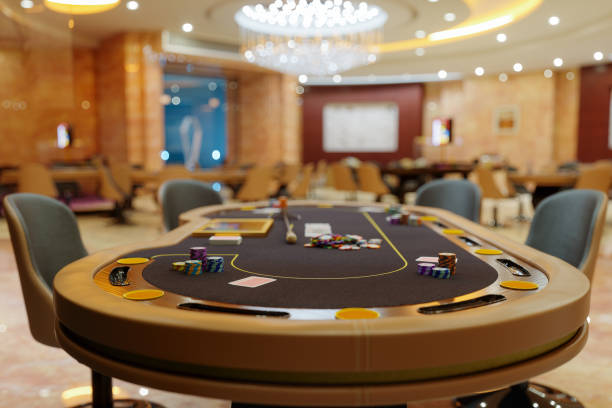
As the gambling landscape continues to evolve, the future of social gambling experiences looks promising. The integration of technology, coupled with an increased understanding of the psychological aspects of gambling, suggests that casinos will increasingly prioritize social interactions. The design of gaming spaces is likely to shift towards facilitating communal experiences, with more areas for social gatherings and collaborative gaming.
Moreover, with the growth of social media and online platforms, casinos are also expected to expand their reach beyond physical locations. Online casinos are already capitalizing on this trend, incorporating live dealer games and social features that allow players to interact in real time. This blending of online and offline experiences can further enrich the social dynamics of gambling, making it accessible to a broader audience.
Ultimately, the successful casinos of the future will be those that embrace these changes and create environments conducive to social interactions. By prioritizing community-building initiatives and fostering a welcoming atmosphere, casinos can enhance the overall player experience. This commitment to social dynamics can lead to increased player loyalty, encouraging individuals to view casinos not just as places to gamble but as vibrant social hubs.